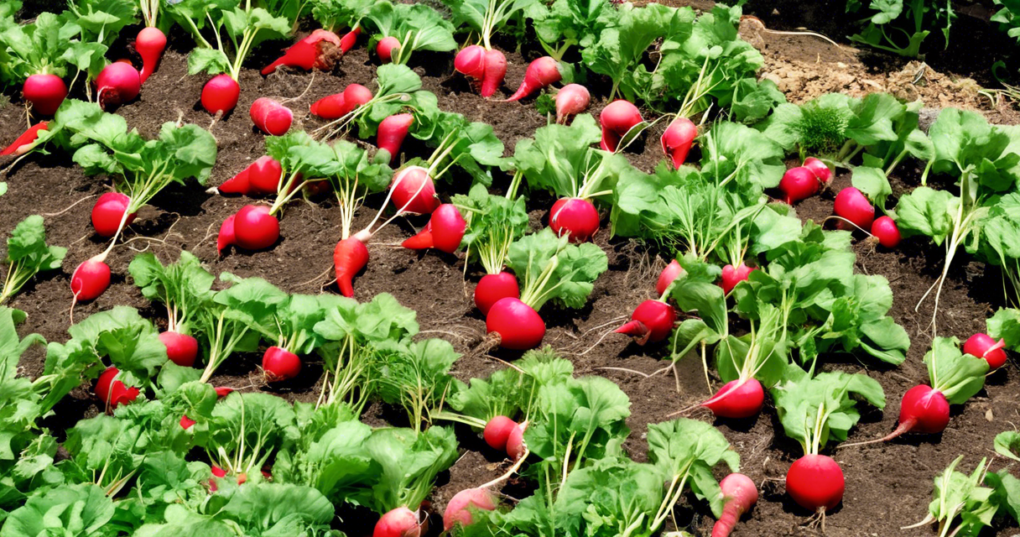
Maximize Your Yield: The Art of Growing Carrots and Radishes Together
There's a unique satisfaction that comes from harvesting fresh vegetables from your own garden. For many home gardeners, the goal is not just to grow produce, but to maximize yield and efficiency while minimizing effort and reliance on chemical inputs. This pursuit often leads to rediscovering age-old techniques, and one of the most effective and rewarding is companion planting. Among the myriad of beneficial plant pairings, the combination of carrots and radishes stands out as a true garden gem. This comprehensive guide will illuminate the symbiotic relationship between these root vegetables and provide actionable tips on how to grow radishes and carrots successfully, ensuring a bountiful harvest and a flourishing garden.
The Synergistic Power of Carrots and Radishes
The magic behind pairing carrots and radishes isn't just a gardening myth; it's a testament to nature's intricate balance, offering a host of advantages that significantly benefit both crops. Their complementary growth habits and interactions with the environment create a mutually supportive system that enhances overall garden health and productivity.
- Pest Deterrence: Young carrot seedlings are particularly vulnerable to common garden pests like flea beetles and root maggots. Radishes, with their pungent aroma, act as a natural deterrent and a clever "trap crop," drawing these pests away from the more delicate carrots. The pests are often more attracted to the radish foliage, giving your carrots a crucial head start to establish strong roots before becoming a target.
- Soil Improvement: Carrots thrive in loose, well-aerated soil. However, in heavy or compacted ground, their roots can struggle to develop properly, leading to stunted or misshapen vegetables. Radishes, with their quick-growing, sturdy taproots, effectively "drill" through and loosen the soil as they expand. This creates natural pathways and improves soil structure, making it easier for the slower-growing carrot roots to penetrate deeper, ensuring better development and a more uniform shape. This improved aeration also benefits microbial life in the soil.
- Weed Suppression: Weeds are a gardener's bane, competing with desirable plants for vital nutrients, water, and sunlight. Carrots, known for their slow germination and initial growth, are particularly susceptible to being overwhelmed by aggressive weeds. Fast-growing radishes act as a natural, living mulch, quickly filling in the spaces around the nascent carrot seedlings. Their leafy tops shade the soil, suppressing weed growth and reducing the need for constant manual weeding, thereby minimizing competition and saving you time and effort.
- Harvest Indicator & Space Optimization: Radishes mature remarkably quickly, often ready for harvest in as little as 3-4 weeks. Carrots, on the other hand, take considerably longer, typically 60-80 days. This staggered growth allows for incredible space efficiency. As you pull the mature radishes, you naturally thin the planting, creating perfect pockets of space for the expanding carrot roots to swell and develop without competition. Furthermore, the early harvest of radishes serves as a visual cue, indicating that the garden bed is actively producing, and also provides an interim harvest while you wait for your main carrot crop.
For more detailed insights into this powerful combination, explore why Why Carrots & Radishes Thrive: Companion Planting Benefits.
Selecting the Perfect Varieties for Your Garden
The success of your companion planting venture greatly depends on choosing the right carrot and radish varieties. Opting for those with complementary growth habits ensures both crops can flourish side-by-side.
Carrot Varieties
When considering how to grow radishes and carrots together, it's best to select carrot varieties that are relatively short and stout. These types are less prone to distortion if they encounter resistance from nearby radish roots or slightly crowded conditions.
- Nantes: A classic choice, known for its sweet flavor, tender texture, and blunt tips. Nantes varieties are typically 6-7 inches long and grow well in a variety of soil types. Their consistent cylindrical shape makes them ideal for companion planting.
- Chantenay: These are conical, broader-shouldered carrots, excellent for heavier or rockier soils where longer, more slender varieties might struggle. Their robustness allows them to handle slight root interference without severe malformation.
Avoid very long, slender varieties like Imperator, which can be more susceptible to branching or distorting their roots if grown too close to radishes or in anything but the loosest soil.
Radish Varieties
For radishes, quick-maturing and relatively compact varieties are your best bet. These will be harvested swiftly, clearing space for your carrots without overstaying their welcome.
- Cherry Belle: The quintessential round, red radish. Fast-growing, mild-flavored, and perfect for early harvesting, making them excellent companions.
- French Breakfast: An elongated, cylindrical radish with a distinctive red top and white tip. Known for its mild, crisp flavor and rapid maturation.
- Easter Egg: A vibrant mix of red, pink, purple, and white radishes. They mature quickly and add beautiful color to your harvest, while also being relatively compact.
Essential Steps for Successful Planting and Care
Achieving a bountiful harvest of radishes and carrots requires attention to a few key cultivation practices. From soil preparation to proper watering, each step plays a crucial role in the success of your garden bed.
Site Selection and Soil Preparation
Both carrots and radishes thrive in a sunny location, ideally receiving at least 6 hours of direct sunlight daily. For root crops, proper soil preparation is paramount. They prefer loose, well-draining, loamy soil that is free of rocks and debris, which can impede root development and cause deformities.
- Amend Your Soil: Dig in plenty of well-rotted compost or aged manure to enrich the soil, improve drainage, and provide essential nutrients. Avoid fresh manure, as it can be too nitrogen-heavy and cause carrots to "fork" or grow multiple small roots instead of one main taproot.
- Check pH: Aim for a soil pH between 6.0 and 7.0, which is slightly acidic to neutral, ideal for both crops.
- Loosen Deeply: Ensure the soil is loosened to a depth of at least 10-12 inches to allow for unimpeded root growth, especially for carrots.
Timing is Key
The staggered growth rates of carrots and radishes are a major benefit, and smart timing can enhance this effect:
- Staggered Sowing: For optimal results, sow radish seeds directly into your prepared garden bed 1 to 2 weeks *before* planting your carrot seeds. This head start allows the radishes to germinate and establish themselves, making them more effective as trap crops and soil conditioners when the carrots begin to emerge.
- Simultaneous Sowing: Alternatively, you can sow both carrot and radish seeds at the same time. However, be prepared to thin the radishes more aggressively as they mature to prevent them from outcompeting the carrots for resources.
Consider succession planting – sowing small batches of seeds every 2-3 weeks – to ensure a continuous harvest throughout the growing season.
Sowing and Thinning
Proper spacing is critical for healthy root development.
- Sowing: Create shallow furrows (about ½ inch deep) and sow carrot seeds thinly. Carrot seeds can be notoriously slow and erratic germinators, so sowing them a bit densely and then thinning is common. Scatter radish seeds alongside the carrot rows or intersperse them. Cover seeds lightly with fine soil and water gently to avoid disturbing them.
- Thinning: This is perhaps the most crucial step for good root development.
- Radishes: Thin radishes early, once they've developed their first true leaves, to about 1-2 inches apart. You can enjoy the thinnings as tender greens!
- Carrots: Once carrot seedlings have developed their true leaves and are a few inches tall, thin them carefully. Aim for a final spacing of 2-4 inches between plants, depending on the variety. Overcrowding will result in small, misshapen carrots.
Watering and Ongoing Care
Consistent moisture is vital for both crops, especially during germination and root development. Keep the soil evenly moist but never waterlogged. Deep, infrequent watering is generally better than shallow, frequent watering, as it encourages roots to grow deeper.
As the radishes mature and are harvested, the remaining carrot plants will have ample space to grow and swell. Continue to monitor for weeds, though the initial radish canopy should have significantly reduced their presence. For more detailed guidance on getting started, refer to our Grow Carrots & Radishes Together: Simple Companion Planting Guide.
Harvesting Your Bountiful Yield
The final, most rewarding stage is harvesting. Knowing when and how to pick your vegetables ensures the best flavor and texture.
Harvesting Radishes
Radishes are incredibly fast growers. Most varieties are ready for harvest in just 3-4 weeks from sowing. Keep an eye on them; leaving them in the ground too long can result in woody, pithy, or overly hot roots. Gently pull one or two to check their size. Once they reach a desirable diameter (usually around 1 inch for round varieties), harvest by grasping the greens firmly and pulling straight up. You can harvest them all at once or selectively pull the largest ones, allowing smaller ones to continue growing.
Harvesting Carrots
Carrots take much longer, typically 60-80 days, depending on the variety. You'll know they're ready when the tops (shoulders) of the carrots begin to emerge slightly from the soil and have reached their characteristic color and desired diameter. To harvest, gently loosen the soil around the carrot with a small trowel or your hands, then pull them carefully by the greens. If the soil is very compact, watering it thoroughly the day before harvesting can make pulling easier and reduce the risk of breakage.
Conclusion
Embracing the age-old practice of companion planting, particularly with the powerful pairing of carrots and radishes, is a game-changer for any home gardener. From natural pest deterrence and improved soil structure to efficient weed suppression and maximized use of garden space, the benefits are undeniable. By understanding how to grow radishes and carrots strategically, selecting appropriate varieties, and providing consistent care, you can cultivate a thriving garden that not only yields an abundance of delicious, homegrown produce but also fosters a healthier, more resilient ecosystem. So, roll up your sleeves, get planting, and prepare to enjoy the sweet, crisp rewards of your labor!
