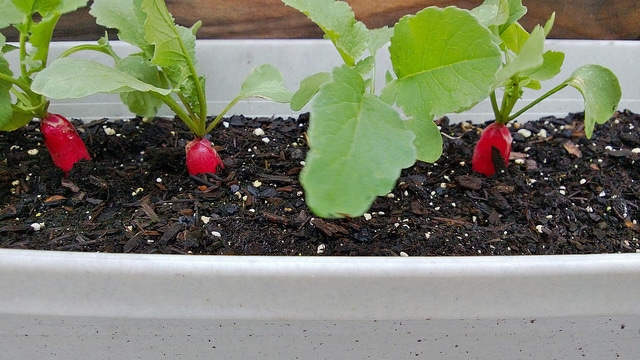
Grow Carrots & Radishes Together: Simple Companion Planting Guide
Embarking on a gardening journey often involves discovering ingenious ways to maximize your space and efforts. Among the most celebrated techniques is companion planting, a time-honored practice where different plant species are grown together for mutual benefit. For many home gardeners and even commercial growers, mastering how to grow radishes and carrots 2 in the same bed offers a surprisingly simple yet profoundly effective strategy. This dynamic duo isn't just about saving space; it's about creating a thriving micro-ecosystem that supports robust growth, deters pests, and improves soil health. In this comprehensive guide, we’ll explore the magic behind this partnership, offering actionable insights and practical tips to ensure a bountiful harvest of both crisp radishes and sweet carrots right from your garden.
The Synergistic Advantages of Carrots and Radishes Together
The success of growing carrots and radishes side-by-side isn't merely coincidental; it's rooted in their complementary growth habits and natural interactions. This partnership provides a multitude of benefits, making it an ideal choice for gardeners aiming for efficiency and healthy produce.
- Natural Pest Deterrence and Trap Cropping: Radishes act as a clever decoy in your garden. Their pungent odor is often unappealing to common carrot pests like flea beetles and root maggots. By attracting these pests away from the more vulnerable, slow-germinating carrot seedlings, radishes effectively serve as a natural trap crop. This significantly reduces the chances of early-stage carrot damage, giving your main crop a vital head start.
- Soil Improvement and Aeration: Think of radishes as nature's little soil aerators. As their roots rapidly grow and then are harvested, they create intricate pathways and channels within the soil. These pathways are invaluable for the slower-growing carrot roots, allowing them to penetrate deeper and more easily through compacted or heavy soil. This results in better root development for carrots, preventing deformities often seen in dense soil, and facilitating better water and nutrient uptake.
- Effective Weed Suppression: Weeds are notorious competitors for light, water, and nutrients. Radishes, with their quick germination and rapid leaf development, form a natural living mulch that shades the soil surface. This shading actively suppresses weed growth around the more delicate carrot seedlings, significantly reducing the need for manual weeding. Less weeding means less disturbance to the soil and less stress on your young carrot plants.
- Staggered Growth Rates and Efficient Space Utilization: One of the most practical benefits is the difference in their growth cycles. Radishes typically mature in 3-4 weeks, while carrots can take 60-90 days or more. This allows you to harvest the radishes well before the carrots require their full growing space. As you pull the radishes, you naturally thin the bed, providing more room and resources for the developing carrots without any wasted space in between.
- Harvest Indicator: Beyond thinning, the speedy maturation of radishes serves as a helpful visual cue. When your radishes are ready for harvest, it's a good reminder to check on the progress of your carrots, giving you an idea of how much longer they might need or if any adjustments to care are required.
Selecting the Perfect Varieties for Your Duo
Choosing the right carrot and radish varieties is paramount to maximizing the benefits of their companionship. Matching their growth habits ensures they support each other without undue competition.
Carrot Varieties
When selecting carrots, look for types that are relatively short, stocky, and adaptable to varying soil conditions. These characteristics allow them to thrive even when sharing space with radishes. Recommended varieties include:
- Nantes: Known for their cylindrical shape, blunt tips, and sweet flavor. They mature relatively quickly and are less prone to forking.
- Chantenay: These are broad-shouldered, conical carrots that perform well in heavier soils. Their robust nature makes them good companions.
- Danvers: A reliable, classic variety that is somewhat blocky and can handle denser soils better than longer types.
Avoid longer, more slender varieties like 'Imperator' when companion planting with radishes, as their extended root structure can be more susceptible to distortion or stunting if grown too closely to other roots.
Radish Varieties
For radishes, focus on fast-maturing, compact varieties that won't overwhelm your carrot seedlings. Quick-growing types mean you can harvest them sooner, making space for the carrots.
- Cherry Belle: A classic, round, red radish known for its quick maturation and mild flavor.
- French Breakfast: Oblong, red radishes with white tips, offering a slightly milder taste and quick growth.
- Easter Egg: A colorful mix of pink, purple, red, and white radishes, providing visual appeal and reliable, fast growth.
- Sparkler: Another quick-to-mature variety, often bi-colored (red with a white tip) and crisp.
Step-by-Step Guide to Companion Planting Success
Achieving a bountiful harvest of both radishes and carrots together requires attention to a few key details, from soil preparation to timely harvesting. Here's how to ensure success:
1. Location and Soil Preparation
Both carrots and radishes thrive in full sun, meaning they need at least 6-8 hours of direct sunlight daily. Choose a garden bed that meets this requirement.
Soil quality is paramount for root vegetables. Aim for a loose, well-draining, loamy soil rich in organic matter. Heavy clay or rocky soil will impede root development, leading to stunted or misshapen crops. Amend your soil with compost or well-rotted manure to improve its structure and fertility. A pH between 6.0 and 7.0 is ideal.
2. Timing and Sowing
Timing is critical when planting these two companions. The goal is to give radishes a slight head start without letting them dominate the carrots.
- Option 1 (Recommended): Sow radish seeds directly into your prepared bed about 1-2 weeks before sowing carrot seeds. This gives the radishes time to germinate and establish themselves slightly, ready to start loosening the soil and deterring pests as the carrots emerge.
- Option 2: Sow both carrot and radish seeds simultaneously. If you choose this method, be prepared to thin the radishes more aggressively and earlier to prevent them from outcompeting the carrots for resources.
When sowing:
- Depth: Plant both radish and carrot seeds about 1/2 inch deep.
- Spacing: For an initial dense planting, sow radish and carrot seeds somewhat thickly in rows or broad bands. You can intersperse them, or create alternating rows of each. A common approach is to sow radish seeds every 1-2 inches, and carrot seeds every 1/2 inch, knowing you will thin them out. Allow about 8-12 inches between rows.
3. Watering
Consistent moisture is vital for both crops, especially during germination and early growth. Keep the soil evenly moist, but not waterlogged. Water deeply and regularly, particularly during dry spells. Inconsistent watering can lead to radishes becoming woody and spicy, and carrots cracking or becoming tough. A good rule of thumb is to check the soil a few inches down; if it feels dry, it's time to water.
4. Thinning
Thinning is crucial for developing good-sized roots for both vegetables.
- Radishes: As they grow, thin radishes to about 2-3 inches apart. You can often enjoy these thinnings as microgreens!
- Carrots: When carrot tops are a few inches tall, thin them to 2-4 inches apart, depending on the desired mature size. Thinning reduces competition and allows remaining carrots to swell properly. The rapid harvest of radishes naturally thins the overall bed, making the second round of thinning for carrots much easier.
5. Ongoing Care and Pest Monitoring
Continue to provide consistent water. While radishes deter some pests, always keep an eye out for any signs of trouble. Healthy, well-fed plants are more resilient to stress and disease. Since you're growing them together, it's less likely you'll need synthetic inputs for pest control, aligning with organic gardening practices. Learn more about optimizing your harvest in our guide on Maximize Your Yield: Tips for Growing Carrots & Radishes.
6. Harvesting
- Radishes: Begin harvesting radishes when their roots are about 1 inch in diameter, typically 3-4 weeks after sowing. Pull them gently to avoid disturbing nearby carrot roots. For a continuous supply, consider succession planting small batches of radishes every 1-2 weeks.
- Carrots: Carrots are usually ready for harvest in 60-90 days, depending on the variety. Gently loosen the soil around a carrot or two to check their size. Harvest when they reach your desired size, twisting and pulling gently.
Conclusion
Growing carrots and radishes together is a testament to the wisdom of companion planting, offering a harmonious blend of efficiency, pest management, and soil improvement. By understanding their symbiotic relationship and applying these practical tips, you can transform a simple patch of garden into a highly productive space. This method not only simplifies gardening tasks like weeding and pest control but also rewards you with a staggered harvest of two delicious, homegrown root vegetables. Embrace this natural synergy and enjoy the crisp rewards of your successful companion planting!
